Feeds:
Posts
Comments

Summer is over and fall has begun to settle quietly in. As with all of you, I’m gearing up to hunker down and get back to business (too many prepositions?).

Fall is wonderful; the way the light shifts from the harsh bright sunshine of summer to the soft golden hue of autumn, the chill that creeps in slowly and settles with a pleasant crispness and the scent of dried leaves that whisks away the sour odor of New York’s summer streets.

In the beginning, it may get just as warm as a summer afternoon, but suddenly, a glass of Rosé, though rosy as it always was, isn’t quite as charming. The bright, crisp, and refreshing quaffs of summer, no less delicious, just don’t seem to pair as well with the slight coolness lingering on the edge of the breeze.

It’s a confusing time…you’re not quite ready for the big hearty reds of winter but you’re through flirting with summer’s tipples.  For me, fall belongs to the red wines of Piemonte in Northern Italy.

If you’ve ever heard of Barolo or Barbaresco, you’ve heard about the most famous wines of Piemonte, but I wouldn’t be surprised if you didn’t know that that’s where they came from.

Barolo and Barbaresco  (made from the Nebbiolo grape) are the only two well known wines out of Italy that are identified by neither their place of origin (like Chianti, for example) nor their grape name (Montepulciano etc.).
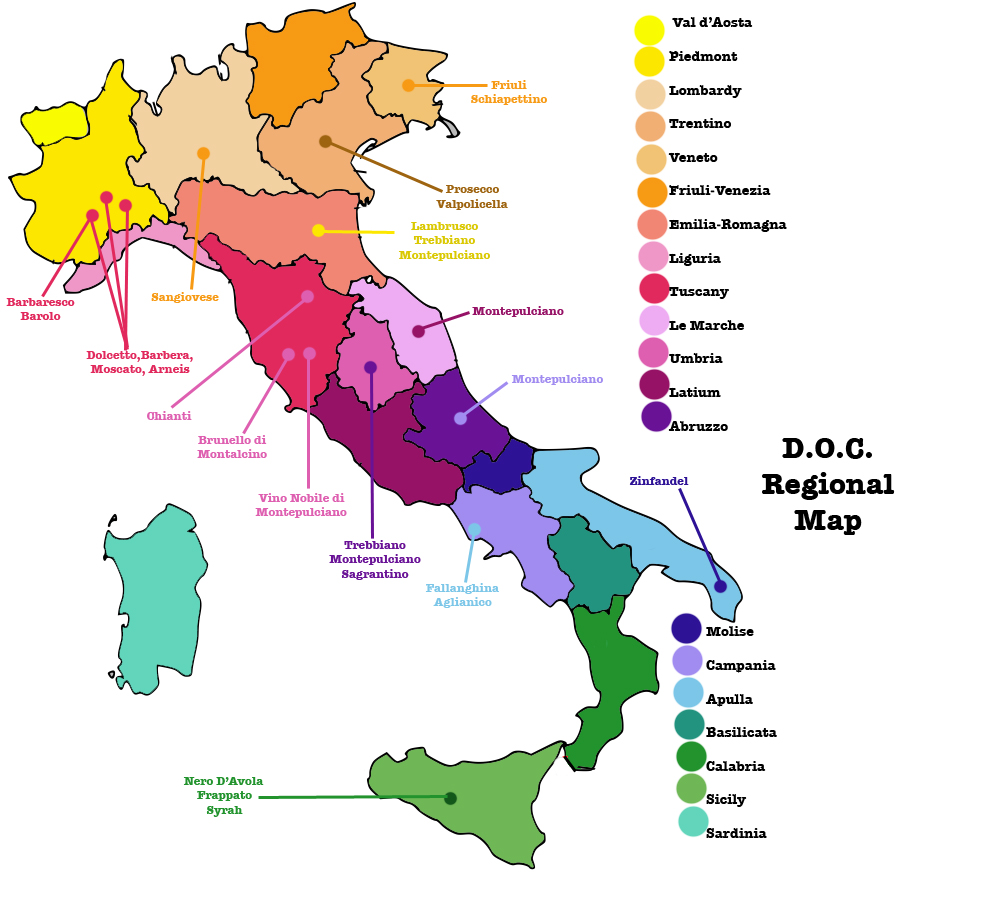
Out of this same famed corner of Northern Italy come two less renowned grapes called Dolcetto and Barbera that produce wines by the same name (phew!).

Dolcetto is a grape that literally translates to “little sweet one.” Before you assume that I’m about to sell you on a sweet red wine (and you, like any self-respecting wine drinker, are thinking “Ew! Disgusting! Sweet wine?! Blagh!”) let me assure you that the grape’s name is entirely misleading.

Quite contrary to its name, this grape turns into an absolutely charming wine – dry, juicy, with good fruit and a fair amount of spice.

Dolcetto is the first vine to ripen in Piemonte and is often planted only on the least favorable sites in a vineyard. Many of the region’s most famed winemakers end up planting and producing Dolcetto out of sheer economy – they may have a site that’s unsuitable for Nebbiolo but instead of letting it go to waste, they’ll plant Dolcetto to sell as a simple table wine and offset profits. In the hands of the region’s star producers,  this humble little grape often ends up getting VIP treatment by default. The results have started to gain attention from wine drinkers here in the U.S – popping up in wine shops and on wine lists more and more as people realize the simple pleasures and particular food-friendliness of this little grape.

Barbera is Nebbiolo’s other ugly cousin – regarded with more esteem than poor little Dolcetto but still not as highly as Barbaresco or Barolo. Where Dolcetto is vigorous, Barbera is prodigious – capable of extremely high yields. Barbera also ripens after Dolcetto but still two weeks before Nebbiolo grapes and can thrive on sites still not ideal for Nebbiolo (a very picky grape).

Barbera, however, isn’t as charming straight off the vine as Dolcetto – with high levels of tannin and acidity that must be somehow softened. Until the 1970s this was done through blending with other varietals. Then, French winemakers suggested experimenting with aging the wine in small oak barrels. The oak barrels helped to oxygenate the wine, thus softening it, and also added richness and spice. These Barberas were suddenly structured, soft, and fruity wines that didn’t have to be blended at all! All of a sudden this grape, once only used for blending, became a good wine in its own right and quickly gained appreciation as such.

For fall, there’s nothing better than a glass of Dolcetto or Barbera – so how about a glass of both? Just the other day I was sent a sample of Cascina Degli Ulivi Bellotti Rosso 2010 – a blend of equal parts Dolcetto and Barbera – from my favorite online wine store, Plonk Wine Merchants.


Etty Lewensztain is the girl-crush lady-genius behind Plonk dedicated to bringing delicious, interesting, and affordable wine to anyone with an internet connection. She was just named one of Wine & Spirit Magazine’s 30-under-30 and she is the reason I have tried such weird wines as Plavac (Croatian) and Montsant (Spanish).

Cascina Degli Ulivi Bellotti Rosso 2010 ($18) is from a biodynamic and crazy natural winery in the heart of Piemonte. I swear, I usually don’t pay very much attention to a wine’s color but as I poured this one into my glass the color struck me – it was a gorgeous clear rose-tinted purple.

The nose was all wet leaves and hay and the first sip literally danced on my tongue. Maybe it was bottle shock – and I should have let the wine sit for a day or two longer, but the wine was lightly effervescent! Dark cherries and juicy tannins that sucked more at the tip of my tongue than the back of my mouth rounded out the first taste.

On her website, Etty suggests pairing this particular wine with a Soppressata and Wild Arugula Pizza; Rigatoni with roasted eggplant, cherry tomatoes, and ricotta salata; or Roasted veal chops with gremolata.

I suggest pairing it with these first few days of fall.

Attention New York Winos!

Do you live in New York?

Do you want to drink lots of wine?

Do you like learning about wine while drinking it?

Do you like FREE stuff?

If you’ve answered “yessireebob!” to any/all of the questions above, I’ve got a proposition for you.

(No, not that kind of preposition. Jeez! Get your head out of the gutter and keep reading!)

Second Glass, a young company dedicated to bringing wine, people, and technology together through a series of interactive events dubbed “Wine Riots” are hosting their very first New York City Wine Riot on September 23 & 24th. They’re looking for volunteers to help out with the event on Saturday night and in exchange for your hanging about hard work you’ll get free ticket’s to the more exclusive Friday night Wine Riot.

So, come on – interested? You don’t even have to do anything like retweet this or friend them on FB….because how annoying is it that you have to do that every time you just want to enter a contest online for free shit that you never win anyways?

You literally just have to click HERE.

So I’m back to writing about my adventures and misadventures in baking…but don’t worry – I won’t force it on anyone who came to this little blog to read about wine. Though, I did use an empty wine bottle as a rolling pin – that’s kind of nifty, right?

Check out my article about making Plum and Custard Dumplings over at Galo Magazine right this way.

xoxo,

Gossip Girl*

*psyche!

I’m entering into the third week of my recent unemployment. I’m starting to feel like being unemployed is a lot like being on a long sea journey and that I feel like the captain of a doomed vessel. I think that maybe I should be keeping a captain’s log as I navigate the treacherous waters of this horrible economy in my quest for employment.  It would look something like this:

Day 1: This is awesome! It’s 11 am and instead of staring at an excel spreadsheet on a computer screen…I’m in bed. At 11 am. And its WEDNESDAY. I could get used to this…

Day 3: Up early with a cup of coffee and a muffin – feeling great about embarking on my job quest. Sure the economy sucks, the unemployment figures are dismal, and the NYTimes just published its third “Young College Graduates with Degrees from Ivy League Schools are Working as Bar Managers and Paralegals Because There ARE NO JOBS” piece but there ain’t nothing gonna bring me down!

Day 5: I applied to 24 jobs two days ago. Why isn’t anyone responding? Maybe if I check my inbox for the fifteenth time this hour something will – a new email! It’s just Shopbop telling me about a sale that I can’t even think about – I’m unemployed, remember?

Day 7: Will the weekend ever end? I can’t go anywhere because I can’t spend any money because I don’t have a job and I’m not going to get closer to a job until everyone else gets back to work and responds to my applications. I hate the weekend.

Day 10: Three interviews, seven hours, and two badly blistered feet later – I need wine. Lots and lots of wine. Now.

Day 11: The blisters from wearing heels all day yesterday have only worsened. I’m super pumped that my prospective place of employment is so laid back and all but it’s severely unfair that I have to dress up, put on heels, and look professional while you get to interview me in a slouchy tshirt, black leggings, and flip flops. God, how I wish I could be you instead of me – you have a job. And no blisters.

Day 12: No follow up calls. No follow up emails. Nothing. Buy wine instead of dinner.

Day 13: Unemployment seriously ruins the weekend. Just two more days of waiting to hear nothing back from any of the next batch of 25 job applications I sent out or the people I interviewed with. Why didn’t I just lie and say, “Why yes! I am detail oriented! I am incredibly detail oriented!”? I will never be honest ever again. I will give up every shred of integrity oif that’s what it takes. What does that even mean, “detail oriented”? Who cares! I will be it! I will do anything just so I don’t have to spend another afternoon on the couch obsessively checking my inbox.

Yeah, it would look something like that –  with the lucidity and sanity of the first few days quickly giving way to the desperate rants of a madwoman.  

It’s taken every ounce of strength not to open the bottle of wine I brought with me when I moved from California as my “Celebration Wine” – the expensive wine I brought to open when I got my “first real job”.

But unemployment does not call for the good stuff – no, when you’re unemployed, you should be drinking cheap wine; cheap, cheap wine because it’s all you can afford.

Perhaps that’s why I was intrigued by a South African Chenin Blanc in the window of my corner wine shop that came with a measly $9.99 price tag. Chenin Blanc is one of my new favorite varietals. I’d only had Vouvray before, where the grape is manifested in a slightly sweet and fruity quaff that finishes with a rush of minerality – like licking granite. It’s unnervingly pleasant.

This wine, by the producer Kanu, was ripe and tasted of tropical fruits – litchi and melon – more than the ripe pears and apples I’d come to expect from Chenin Blanc. It had a tangy finish that was more like a scoop of passion fruit than a slick of granite and left me a little wanting – even at only $10/bottle.

Nonetheless, it calmed my frazzled nerves and helped me to steele myself against another day of chronic unemployment.

Sidenote: You’d think that with all this free time on my hands I’d be blogging more, right? No. Wrong. Seriously wrong. I’ve been focusing on finding ways to pay the rent and in the course of doing so have come across the opportunity to work with some seriously awesome wine people – and you’ll be hearing all about that in a bit.  I’m looking forward to branching out a bit and bringing you all more winey goodness….stay tuned!

This is an actual photograph of Hurricane Irene. Scary.

Having grown up in Los Angeles, I’ve lived through my fair share of natural disasters so I’m not one to take them lightly. Hollywood, on the other hand, has had a grand old time fantasizing about its own demise (see: Armageddon, Deep Impact, Battle LA, Volcano, et al.). I have a healthy record of outliving earthquakes, wild fires, and rock/mud slides – so I know first hand just how scary and devastating any kind of natural disaster can be! After this weekend (assuming I’m not tempting fate too wildly by assuming I’ll survive) I can at the very least add a Tropical Storm and, if I’m terribly unlucky, a Hurricane. Yippee.

So while I’m tempted to make a playlist of songs like Stormy Weather, I’m Only Happy When it Rains, End of the World, Fire and Rain (and on and on ad nauseum) while sipping Dark and Stormy’s (rum or vodka mixed with ginger beer) I’ve instead decided to take things seriously and make a Hurricane’s Guide to Wine. Because this is some serious business that deserves a serious drink.*

Magnificent Wine Co’s Steak House Red ($10.99)

The sky will darken, the winds will howl, and the rain will gush forth like blood from a mortal wound! Or something like that. Anyways, on a long and stormy day this wine is a great brooding companion. It’s packed with dark fruit and nice firm tannins (that’s the stuff that sucks at the back of your throat). If the lights go out and you’re forced to create a trashcan bonfire in your living room the only logical thing you’d want to cook over it is a thick juicy steak (amiright?) and this wine would go perfectly with it. Its all so primordial and caveman-ish – being at the mercy of the elements and praying that your internet doesn’t get knocked out because – OMG – your twitter followers depend on you!  Anyways, this is a really good big wine that will keep you company during a really big storm.

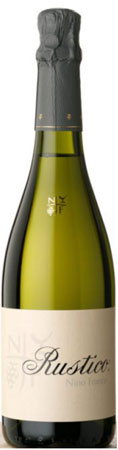
Nino Franco Rustico Prosecco ($23.94)

Hurricanes are super windy right? Let’s take up that theme and go for something breezy – something that, if you have a little too much, you’ll be swaying around your apartment like all the trees outside. Look, if its rotten outside, why not let loose and lighten up inside. Grab a glass of bubbly, put on some old-timey music so that when the lights go out and you’re lighting candles, its almost like being in a speakeasy – how hip! Pretend like you’re a drunk and bored debutante exploring the seedy underbelly! You’ll feel so dangerous and sexy you might forget all about that nasty storm raging outside!

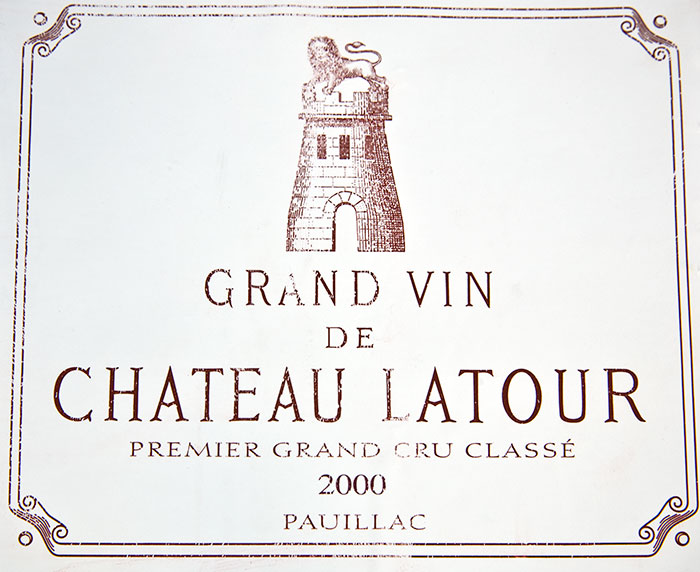
2000 Chateau Latour Bordeaux ($1,500)

   Dude, did you hear that New York City might be totally annihilated by a hurricane this    weekend? If that’s not cause to break out the big boys, I don’t know what is. Do you have a more   appropriate occasion to make sure the expensive stuff doesn’t go to waste than to drink it during an   apocalyptic weather phenomenon? I mean, look, I’m not saying that I want to die or that I want   anyone else to die, or that anyone IS going to die! BUT if I was going to die, I’d probably want it to be with some really amazing wine in me.

 *On a more serious note, natural disasters are serious and should be taken seriously. This post is not meant to offend anyone who has ever suffered as a direct result of ANY natural disaster. I’m merely trying to make some lemonade out of a truly lemony situation and this post is intended purely as entertainment.

Leaving a job…trying to find a new one…getting ready for a highly anticipated trip to Martha’s Vineyard for some good old fashioned East Coast Summering….oh. And writing this.
For any of you who have never read Thought Catalog, its a great online magazine that gives young writers (like yours truly) a great outlet to get random articles/essays published. The writing is fun and often really insightful so take a look and make sure to read my article!

Thanks all and much love until I return!

1. First off, I’d like to congratulate the NYT for finally realizing that good wine is now coming in boxes. Hey, it only took you a year to get it together and if you used my blog post for inspiration (funny cuz Eric Asamov notes some familiar examples of good boxed wine) that is a-ok. Also, NYT – get it together on the trending pieces – dresses in summer? the Brooklyn flea? What’s next….the revelation of short pants?

2. If you found yourself here because you googled “woman with legs open” you are either 13 or you really think you are going to find porn in google images – probably both (that is one of the top google searches that will land you right here on this lovely little blog). Trust me, all you’re going to find through google are sterile and totally unsexy medical images. Try googling “free porn” instead.

3. Happy Wednesday, all…you’re halfway to the weekend (woot woot)! Go celebrate with a bottle of wine or what not.

Drinking Cooking with Wine

            For those of you who don’t know me too well, one of my all-consuming passions besides wine is cooking. In fact, once upon a time I had a little blog called The Unlikely Gourmand, where I chronicled my mishaps and triumphs in the kitchen over about the course of a year.

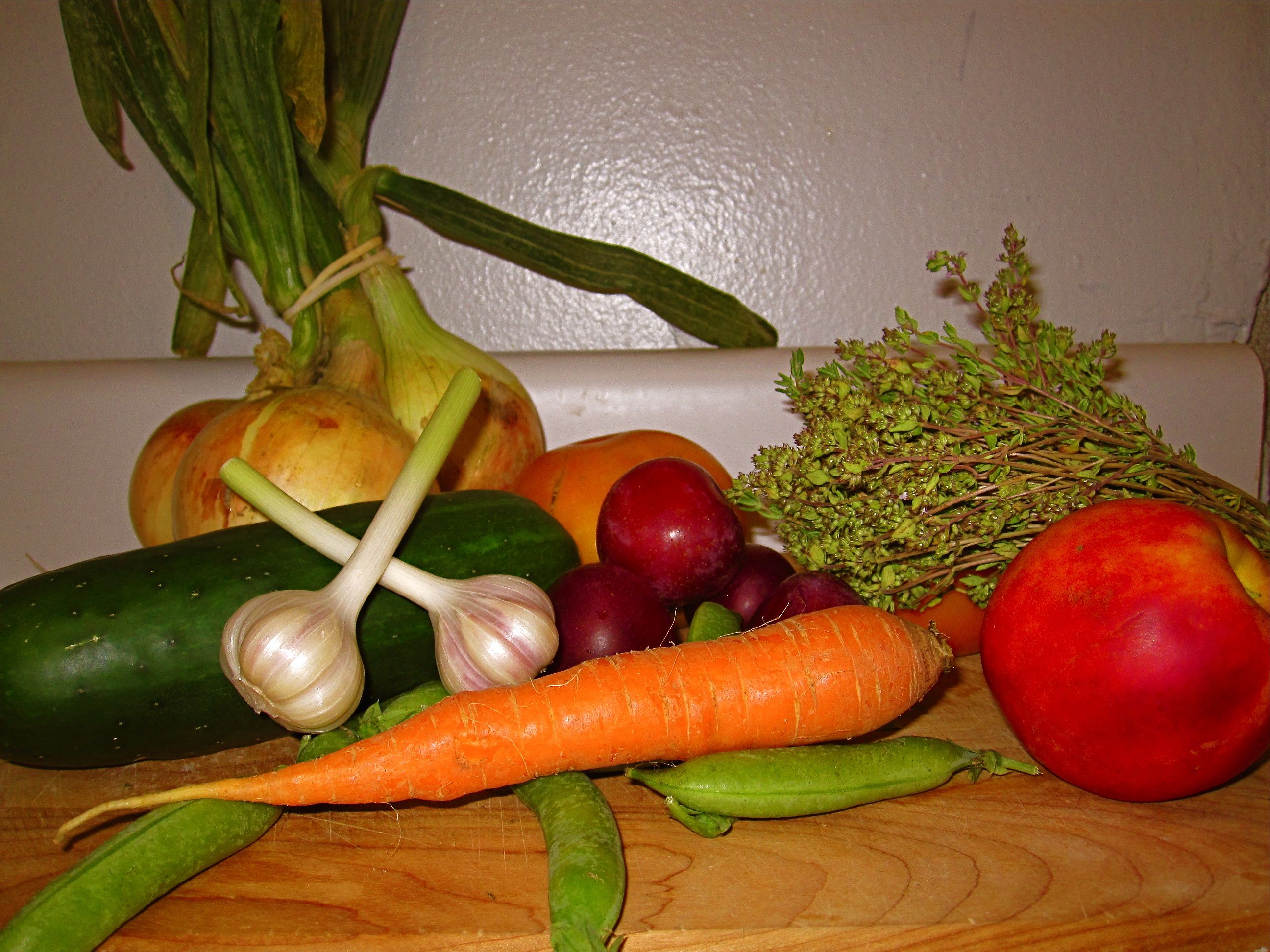
gratuitious staged shot of Farmers Market goodies

I’ve always loved cooking with wine and, in fact, had one of several fake ID’s confiscated for trying to purchase a bottle of Marsala wine (to make, what else, Chicken Marsala). My attempt to explain that I was merely buying the obscure and practically undrinkable fortified wine for purely innocent and culinary purposes fell on deaf ears and I was left sans ID and sans dinner. America is a tough place for the aspiring home cook under the age of 21.

When it comes to cooking with wine there really are a lot of opinions out there, circling around the one consensus that it makes a lot of dishes infinitely better. If you watch anyone on the Food Network, you’ve surely heard that you should never cook with a wine you wouldn’t drink. Walk into any restaurant kitchen, however, and you’ll find Carlo Rossi-esque jugs of wine that are used expressly for cooking. So who’s right?

It depends. I realize this is not the answer you were hoping for, so lets get to it, shall we?

A couple of bottles from a few weeks back

Certainly for wine-centric dishes like Coq au Vin or Beouf Bourgignon or even a simple braised chicken dish, the wine you’re using matters a little bit more. If it’s a dish that calls for wine as a significant ingredient, it should be a wine that you would drink. That’s not to say you should go ahead and pour that expensive1987 Bordeaux you have lying around into your Coq au Vin because that would just be a waste. A very expensive and sad waste. But, if you have a decent everyday-quality wine (in the $10-$20 range) that you wouldn’t mind drinking while you cook or, later, with dinner, by all means, go ahead and use it.

Same goes for a bottle of wine that you just never got around to finishing. I, for one, hate to waste so I try to finish a bottle over two nights. However, if I just can’t get around to emptying a bottle and I’ve got a glass or more left on the third day, I’ll keep the bottle corked in the fridge and use it to cook later. It’s also never a bad idea to have a cheap ($7ish) bottle of Pinot Grigio in the fridge to use in everything from Risotto to Soup.

Another reason I would like to believe those Food Network ladies are always hawking drinkable wine is that most of the time you’re only using a cup (more or less) of wine in any given dish and so why not have that wine around to serve with dinner or drink later? However, keep in mind that the wine is going to be cooked so it’s really not necessary to splurge.

Alright, so now that we’ve cleared that up – lets get to the best kinds  of wine to cook with. As I mentioned earlier I think a light Pinot Grigio is a good thing to have around – its bright and acidic (the main reason you use wine is usually to deglaze, or in normal terms, to scrape up all the brown bits from the bottom of a pan). You don’t want to use an oaky chardonnay because its just got too much character and will impart its own funky flavor. However, an unoaked chardonnay could do quite nicely. I’m also a big fan of cooking with dry reisling – again its got lots of acid and bright flavors that won’t get in the way of your dish. Sauvignon Blanc can be tricky because sometimes the NZ or California examples are just too herbaceous, too grassy, and too fruity. But if you get a flinty French example you should be ok.

You could make this if you had some wine around!

For red wines, the same rules apply. Pinot Noir is a great cooking wine because its got great acid and lighter flavors. For a “dry red wine” Chianti can be pretty fabulous – its tannic yet light and still acidic and I don’t mind using a Cab-Merlot blend that’s not too oaky for richer dishes like beef stew.
Very recently, I tried a wonderful recipe from the ladies at Food 52 – one of the best food websites around if you ask me. It was a dish made with Rose and as soon as I saw it, I just had to make it. It was delicious and a great way to use up some leftover Rose I had lying around. When cooking with Rose, I’d urge you to go for the good stuff from Provence – crisp and herby and just delightful.

The only thing you really want to stay away from is wine that’s really expensive or wine that’s really bold. Anything else is most likely going to better your dish more often than bring it down. Yet another gift of the grape.

Want to try cooking with wine? Head on over to the recipes linked below:

Merrill’s Rosy Chicken

Coq Au Vin

Chicken in Reisling (go for the cream instead of the creme fraiche)

Alice Waters’ (and my favorite) Beef Stew

Risotto with Mushrooms and Peas (can easily swap out white wine for red and change up the ingredients but a great basis for liquid-to-rice ratio)

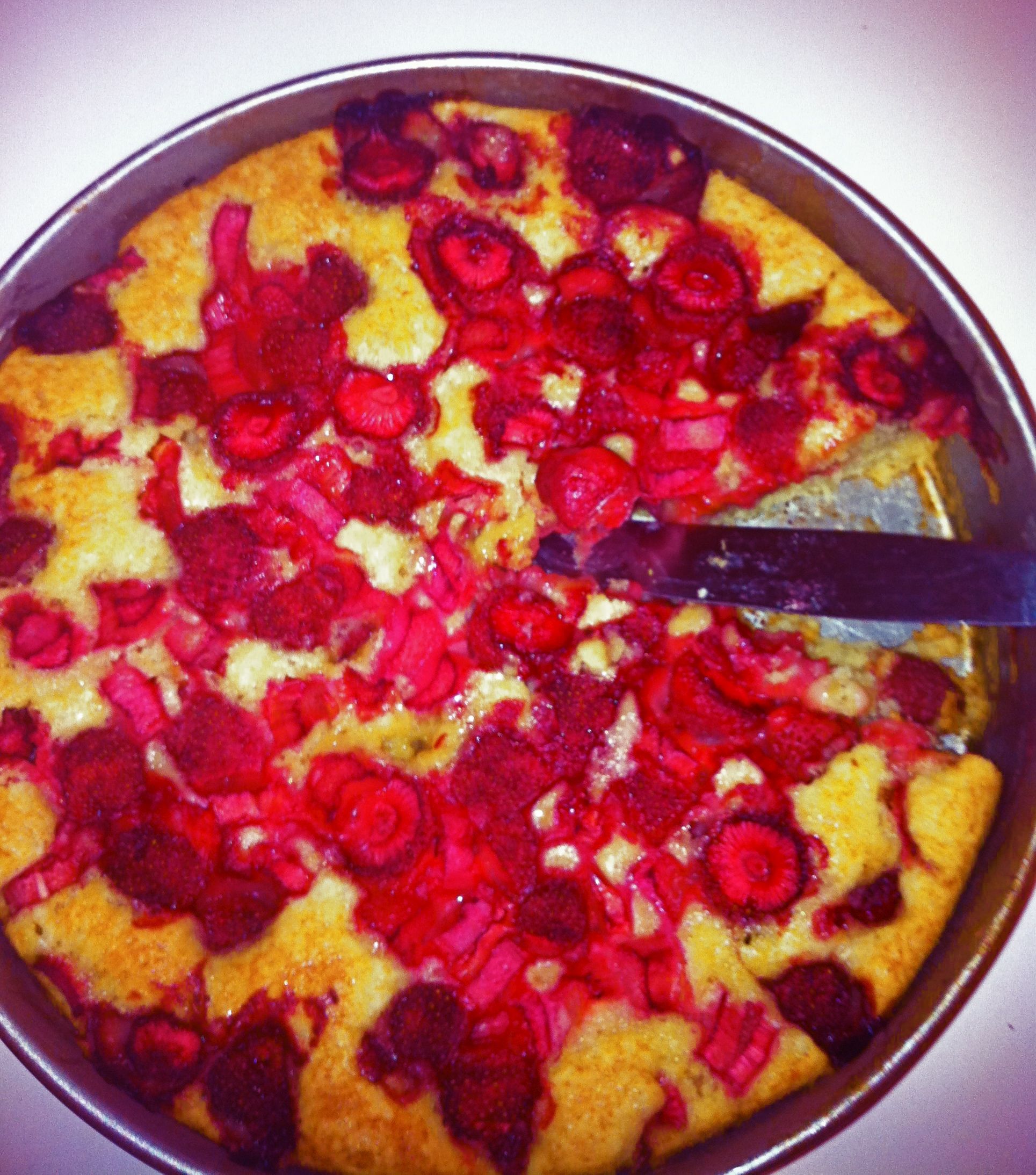
Strawberry Rhubarb Breakfast Cake - am I bad at photography or what?

        Seven months ago, when I set out to create this blog, one of my goals was to write about wine in a way that spoke to people my own age. So many of my friends or acquaintences were self-professed “foodies”. They watched Top Chef religiously, they went to the newest restaurants and ate food that was seasonal and reveled in identifying esoteric ingredients and obscure cooking techniques. They drank craft beer and frequented bars helmed not by bartenders but mixologists and paid $14 dollars for artisanal cocktails. They were the first brave and eager patrons of the food trucks that spawned an army of restaurants-on-wheels doling out gourmet-fusion fare.


With this proclivity for the obscure and complicated, how hard would it be, I thought, to make the leap from molecular gastronomy and the like to wine? The answer, seven months later, is that wine is still a no-mans-land for most of the people described above. In the last few weeks I’ve been asked more than a few times why, exactly, it was, I thought, that young people still hadn’t “discovered” wine in the same way that they’d “discovered” food? In short, the question they were asking was, “Why am I the only 20-something they know who is a wine geek?”

Well, I have some theories.

Wine is at odds with the cultural phenomenon of hipsterism

As someone recently mentioned to me, if you’re in your 20’s its almost impossible to defend or define yourself as “not a hipster” to anyone in our parents’ age group. The term is so loose and so vague precisely because there is such a vast array of “types” of hipsters within the broader category. However, no matter if you’re of the vegan-hippie variety or the salvage-obsessed (of obscure cultural moments or otherwise), there is something about hipsterism that promotes an attitude of prolonged adolescence and eschews anything that might be too serious.

Previous generations were anxious to grow up, get out of their parents’ houses, get jobs, and find success. We are generally a group that is too busy reveling in the anxiety of “feeling lost” and indulging our desire to “find ourselves”. Our parents, not wanting us to end up as “unhappy” as they are, have allowed us and often encouraged us to pursue this alternative course in the hopes that we may end up “happier” if we can avoid becoming grown-ups as quickly as they did.

Wine, despite all efforts by winemakers and marketers, hasn’t been able to shed its association with the realm of the grown-up. Fine dining transcended the boundary between these two worlds by humbling itself in the form of upscale comfort food and by employing “artisanal” products that were made by the “little guys” who shunned the conventional model and were, thus, embraced by hipsterist culture.

Wine doesn’t get you drunk fast enough

            Alright, maybe you’re not a hipster. No matter, if you’re around my age, no matter what you consider yourself, if you went to college, you probably did a lot of drinking. I mean a lot. Like, scary a lot. Most of the people I know who are my age and even older, have carried their college-drinking habbits into adulthood with them. True, most of them aren’t getting blackout every night, but there’s a good chance that when they are going out, they’re heading out with the intention of having a debaucherous night of wreckless abandon. Often, the goal is blackout and if it doesn’t happen, it wasn’t a good night.

Don’t get me wrong – I’m no teetotaler. When the mood strikes I’m usually the first one to suggest tequila shots – the bad kind, too, thrown back with a lick of salt and a desperate suck of lime. But most of the time I’d rather have a few drinks with friends and be a functioning human the next morning rather than spend an entire day in bed with a headache, stomachache, and only a faint will to live.

However, even those who have graduated from the habbit of destroying themselves every weekend, are not drinking wine. No, they’re drinking those fancy cocktails I mentioned earlier. Sure, they are expensive, but they’re truly delicious and they can still get you drunk relatively quickly. They have alcohol in them that they’re familiar with – these kids don’t have a clue what Barbera or Gewurtztraminer is, but they know the difference between Rye and Bourbon.

I guess what I’m trying to say is that wine just doesn’t have the allure of being a get-drunk-quick-fix. Wine is for dinner parties and long conversation – its for sipping not gulping. Until the culture that surrounds drinking changes, wine won’t ever have the same allure as even the most hoity-toity of cocktails or spirits.

Nobody believes that cheap wine can be good wine

Wine is still largely viewed as something that’s too expensive. Forget trying to explain that one bottle of wine at even, say, $30 a bottle (at four large-ish glasses to a bottle) is still cheaper or about the same price as buying four gin-and-tonics at your average NYC bar.

And as far as cheap wine goes – you’re talking about an age group that came of age at the same time as Two-Buck-Chuck. In other words, standards aren’t very high and it’s hard to convince someone that you can actually get decent wine at $10 or $11/bottle if you do just a little bit of homework.

Along that same line of thought, because the only wine that they have tasted is the super-cheap variety, a lot of people around my age have just resigned themselves to the idea that they don’t really like wine very much anyways.

The local movement didn’t help, either

If you’re not in California, Washington, or Oregon, its going to be pretty hard to find a great bottle of wine that can be considered “local”. Pretty much anywhere else, however, and New York included, you can probably find locally-made spirits or beer. In New York, at least, it’s much cooler to buy a bottle of small-batch gin that was distilled in Brooklyn by a small operation than to buy a bottle of wine made by a tiny biodynamic winery somewhere in the Languedoc.

So that’s it, folks. That’s all I got. If you have got a better idea, I’d love to hear it.  Next up might be the story of how, exactly, I “got into wine” – another question that has been popping up with more and more frequency. I also have some great posts coming up – including one all about cooking with/and wine. So stay tuned! 

A couple of weeks ago I received my very first wine samples. They arrived unceremoniously with a sticker that warned, “Do not deliver to an intoxicated person”. I was giddy with the prospect of free wine, being taken seriously, and having a lovely picnic that weekend with some friends (that’s my friend Cammy in the photo below).

The weather hadn’t yet turned into the disgusting monster that ruins your hair within 32 seconds of stepping outside, raises your electricity bill, causes you to sweat profusely before 9 am, and abducts small children and the elderly. Ok maybe not the last part.

We picked a perfect spot in Central Park where we had a view of the shirtless masses sprawled across Sheep Meadow but were secluded and shaded by the canopy of a few perfectly positioned trees. Seriously, it looked like that Manet painting below except no one was casually naked or wearing a turban-y hat.

There was however a drunk guy who kept coming over to tell us that we were beautiful and when we asked him kindly to leave us alone threw ice cubes at us. New York is so charming, sometimes.

I was eager to pour the wines, carried from 88th and Broadway down to the Bethesda Fountain with a cold pack nestled between them, for my friends on this perfect summer day. The two wines were both Sauvignon Blancs from France.

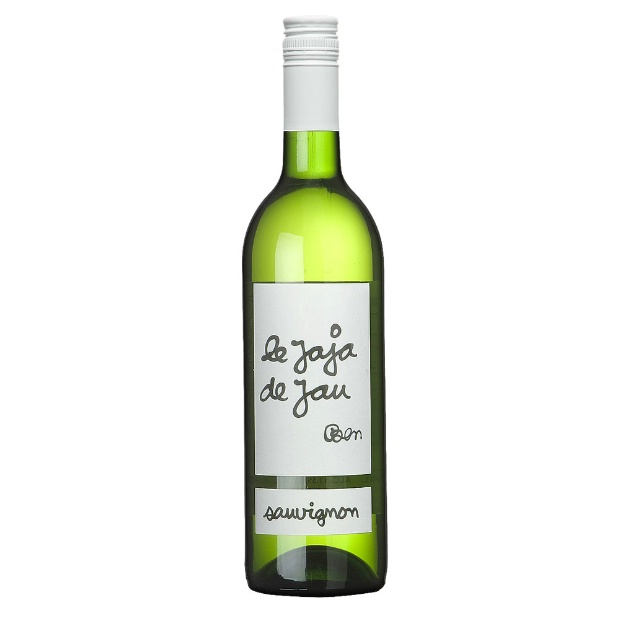
The first one we opened, Le Jaja de Jau 2010 Sauvignon Blanc ($8.99) is from the Languedoc region and produced by a famed old estate in the region called Chateau de Jau. The name of the wine (jaja) is slang for the region’s everyday wines and it’s a wine that owns up to being “fun and youthful”. This seemed like the perfect wine to bring on a picnic with a bunch of young ladies who didn’t want to take anything that day too seriously.

To that end, it was perfect. It was juicy and full of fruit and finished with an herbal kick that made it the perfect partner to our green ambience. One of my friends loved it so much she spent the next weekend scouring her neighborhood wine stores looking for it.

The second bottle was a more expensive Pouilly Fume (still Sauvignon Blanc) from the Loire Valley (Le Domaine Saget Pouilly-Fume 2009, $34.99). Unfortunately, this bottle came with a cork and we were sans corkscrew. After ten minutes of trying to open it by banging it, tucked into a shoe, against a tree, we were obliged to ask the local restaurant for help.

This is one of those classic French wines – one that has legions of obsessed drinkers and has a price that reflects its quality. This second Sauvignon Blanc was a perfect example of Pouilly Fume with lively lush fruits and a pineapple-ish acidity that makes it sparkle on the tongue. It was a little more restrained, more sincere than the flirtatious “JaJa” and probably belongs on a dinner table more than a picnic blanket.

Sauvignon Blanc has never been a favorite and neither of these wines were life-changers for me to that end and if I have to be honest, I think I preferred the JaJa de Jau with its lowly price point and lack of pretentions more than the Pouilly-Fume. Both of the wines were the perfect pairing for that lovely day and if you’re interested in picking up either to try, head over to winesearcher.com – a great website that lets you type in the name of a wine you’re looking for and the zipcode in which you’d like to buy it.